
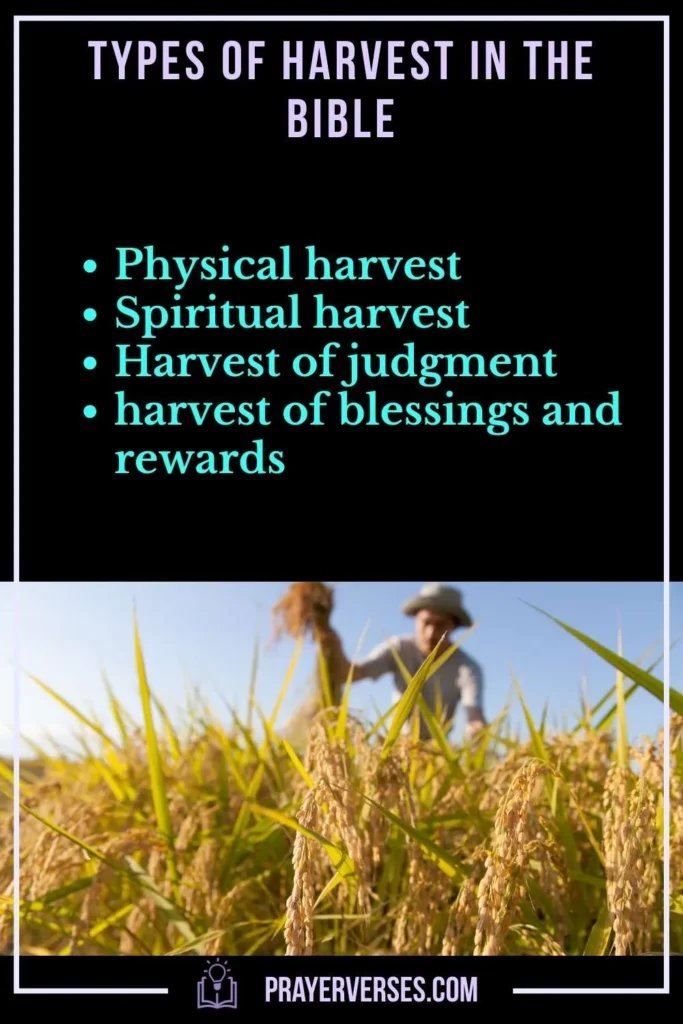
Types of harvest in the Bible signify abundant blessings and spiritual truths. From the planting of seeds to the reaping of abundant crops, each harvest serves as a powerful metaphor in biblical teachings. These harvests demonstrate the divine principles of sowing, growth, and fruition in our lives. Let’s explore the rich symbolism and significance of the various types of harvest in the Bible, uncovering the profound lessons they hold for us today.

Exploring the Types of Harvest in the Bible
Welcome, young readers, to an exciting journey through the fascinating world of harvest as described in the Bible. Harvest plays a significant role in biblical teachings, symbolizing various aspects of life, growth, and spiritual abundance. In this blog post, we will delve into the different types of harvest mentioned in the Bible, uncovering their meanings and significance.
The Harvest of Crops
One of the most common types of harvest found in the Bible is the harvest of crops. Throughout the scriptures, we come across references to harvesting wheat, barley, grapes, olives, and other agricultural produce. In the Old Testament, the harvest of crops was not only essential for sustenance but also held spiritual significance.
The Harvest of Wheat
Wheat is a symbol of abundance and prosperity in the Bible. In the book of Ruth, we read about Ruth gleaning in the fields of Boaz during the barley and wheat harvest. This act of harvesting wheat demonstrates the importance of hard work, kindness, and generosity.
The Harvest of Grapes
Grapes are often associated with the harvest of vineyards in the Bible. Jesus Christ used the metaphor of grapes and vineyards in his teachings to convey profound spiritual truths. The harvest of grapes symbolizes the gathering of believers and the abundance of blessings in the Kingdom of God.
The Harvest of Souls
Another significant type of harvest in the Bible is the harvest of souls. This metaphorical concept refers to the spiritual gathering and salvation of individuals. Just as farmers gather crops from the fields, God gathers His people to Himself through faith and redemption.
The Parable of the Sower
In the New Testament, Jesus tells the Parable of the Sower to illustrate the different responses people have to the message of the Gospel. The seed sown represents the Word of God, and the harvest symbolizes the outcome of people’s hearts and lives. Some hearts produce a bountiful harvest, while others remain barren.
The Great Harvest
Throughout the Bible, there are references to the end times when there will be a great harvest of souls. This final gathering symbolizes the ultimate reconciliation of humanity with God and the fulfillment of His redemptive plan. The Great Harvest signifies the culmination of history and the establishment of God’s eternal Kingdom.
The Harvest of Righteousness
Harvesting righteousness is another key theme in the Bible. The concept of reaping what one sows is a fundamental principle that underscores the importance of living a righteous and virtuous life. Just as farmers must plant good seeds to reap a bountiful harvest, individuals must practice righteousness to experience God’s blessings.
The Fruits of the Spirit
Galatians 5:22-23 lists the fruits of the Spirit, which include love, joy, peace, patience, kindness, goodness, faithfulness, gentleness, and self-control. These virtues represent the harvest of righteousness that believers should strive for in their daily lives. By cultivating these qualities, individuals can bear fruit that glorifies God.
The Reward of Righteousness
Proverbs 11:18 declares, “The wicked earns deceptive wages, but the one who sows righteousness gets a sure reward.” This verse highlights the principle of reaping what one sows. Those who live righteously and follow God’s commandments will be rewarded with blessings, prosperity, and eternal life in His presence.
In conclusion, the types of harvest mentioned in the Bible offer valuable lessons and insights into the spiritual realm. Whether it be the harvest of crops, souls, or righteousness, each type of harvest teaches us about the importance of faith, diligence, and obedience in our relationship with God. As you continue to explore the scriptures, may you discover the abundant blessings that come from a life rooted in God’s Word.
Plant your seeds | Bible Verses to Encourage You #shorts
Frequently Asked Questions
What are the different types of harvests mentioned in the Bible?
In the Bible, several types of harvests are discussed, including the harvest of crops, the harvest of souls for the kingdom of God, and the harvest of blessings and rewards for righteous living.
How is the harvest of crops significant in biblical teachings?
The harvest of crops is often used as a metaphor for spiritual growth and the reaping of what has been sown. It symbolizes the importance of diligence, patience, and faithfulness in cultivating the blessings that God provides.
What does the Bible say about the harvest of souls?
The harvest of souls refers to the gathering of people into the kingdom of God through evangelism and discipleship. The Bible emphasizes the need for believers to spread the message of salvation and bring others into a relationship with Christ.
How is the harvest of blessings and rewards connected to biblical teachings?
The harvest of blessings and rewards in the Bible reflects the concept of reaping what one sows. It underscores the principle of God’s faithfulness in honoring those who obey His commandments and live according to His will.
Final Thoughts
In the Bible, various types of harvest symbolize spiritual truths and lessons. The three main harvests mentioned are the barley harvest, wheat harvest, and grape harvest. Each harvest represents different aspects of our spiritual journey and the abundant blessings God provides. Understanding the significance of these harvests can deepen our faith and help us appreciate the rich symbolism found throughout the Bible. Embracing the types of harvest in the Bible can illuminate the divine messages hidden within the passages.