
In the ever-evolving world of full stack development, making sure seamless communication between the front-end and back-end is critical. One of the biggest challenges developers face is maintaining type consistency across the entire application, which can lead to errors if not handled accurately. This is where tRPC steps in, offering a streamlined way to achieve end-to-end type safety. By adopting tRPC, developers can reduce bugs, speed up workflows, and build more reliable applications. For those looking to strengthen their skills, enrolling in a full stack developer course in Hyderabad can help them master tools like tRPC and gain practical experience in creating robust applications.
What is tRPC?
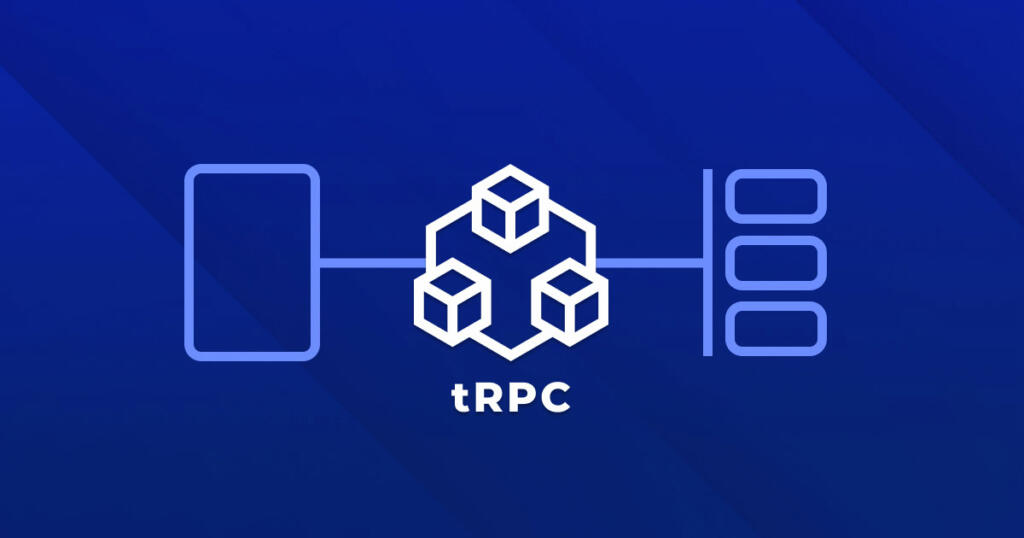
tRPC stands for TypeScript Remote Procedure Call, a powerful library designed to simplify communication between the client and server in full stack applications. Unlike traditional approaches like REST or GraphQL, tRPC ensures type safety throughout the application by sharing types between the front-end and back-end. This eliminates redundancy, reduces potential errors, and enhances the development experience.
tRPC integrates seamlessly with popular frameworks like Next.js, making it an excellent choice for modern full stack applications. Its lightweight nature and focus on type safety make it an invaluable tool for developers who want to build scalable and error-free apps.
Why Type Safety Matters in Full Stack Development
Type safety ensures that data sent between the front-end and back-end matches predefined rules and structures. This is particularly important in complex applications where even small inconsistencies can cause bugs. Without type safety, developers often spend significant time debugging issues caused by mismatched data types or incomplete API calls.
For beginners and seasoned developers alike, understanding the importance of type safety is critical. A full stack developer course emphasizes this concept, teaching how to implement tools like tRPC to improve code reliability and reduce errors.
Key Features of tRPC
1. End-to-End Type Safety
tRPC ensures that the same type definitions are used across the entire application, reducing the risk of errors and inconsistencies. This is especially useful in dynamic applications where APIs evolve over time.
2. No Boilerplate Code
Unlike traditional methods such as GraphQL or REST, tRPC eliminates the need for extra configuration or schema definition. This simplifies the process of building APIs and saves valuable development time.
3. Seamless Integration with Popular Frameworks
tRPC works well with frameworks like Next.js, letting developers to quickly integrate it into their existing workflows. Its compatibility makes it ideal for both small projects and large-scale applications.
These features make tRPC a game-changer for developers. For students in a full stack developer course in Hyderabad, learning how to use tools like tRPC can provide a competitive edge in the job market.
Benefits of Using tRPC in Full Stack Development
1. Improved Productivity
By eliminating the need to define and maintain redundant types, tRPC allows developers to focus more on building features. This streamlined approach leads to faster development cycles.
2. Reduced Errors
Type mismatches between the client and server are a common source of bugs in full stack applications. With tRPC, these errors are caught during development, leading to cleaner and more reliable code.
3. Enhanced Collaboration
In team environments, having a single source of truth for types simplifies communication and reduces misunderstandings. This is especially beneficial in large projects involving multiple developers.
4. Scalability
As applications grow, maintaining type safety becomes increasingly challenging. tRPC’s ability to scale with the application ensures that developers can continue adding features without introducing new bugs.
These benefits highlight why tRPC is an essential tool for modern developers. By incorporating it into projects during a full stack developer course, learners can gain practical insights into building robust applications.
Use Cases for tRPC
1. Internal Tools
tRPC’s simplicity and focus on type safety make it perfect for building internal tools that require quick iteration and reliability. Developers can create dashboards, data management systems, or analytics tools efficiently.
2. Startups and MVPs
For startups aiming to launch minimum viable products (MVPs), tRPC provides a quick and reliable way to set up APIs. Its minimal configuration requirements allow teams to focus on delivering value to users faster.
3. Large-Scale Applications
In enterprise-level projects, maintaining consistency across multiple teams and modules is a significant challenge. tRPC ensures type consistency throughout the application, making it easier to manage and scale.
These use cases demonstrate how versatile tRPC is for different types of projects. Students in a full stack developer course in Hyderabad often work on similar real-world scenarios, gaining hands-on experience with modern tools like tRPC.
Why Hyderabad is a Growing Hub for Full Stack Development
Hyderabad has arisen as one of India’s leading tech hubs, with a vibrant ecosystem of IT companies, startups, and educational institutions. This city offers abundant opportunities for developers to learn and grow in their careers. A full stack developer course in Hyderabad provides aspiring developers with the skills required to succeed in this competitive environment.
These courses cover everything from foundational coding skills to advanced tools like tRPC, preparing students for the challenges of full stack development. With access to industry experts, real-world projects, and a supportive tech community, Hyderabad is an ideal place to kickstart a career in technology.
Why Learn tRPC as a Full Stack Developer?
For developers aiming to build scalable and reliable applications, mastering tRPC can be a significant advantage. Its focus on type safety, simplicity, and productivity aligns perfectly with the needs of modern full stack development. By learning tRPC, developers can:
- Ensure type consistency across their applications.
- Eliminate bugs caused by mismatched data types.
- Streamline their workflows for faster development cycles.
Students enrolled in a full stack developer course gain exposure to tools like tRPC, equipping them with the practical knowledge needed to stand out in the tech industry.
Conclusion
tRPC is revolutionizing how developers handle type safety in full stack applications. By eliminating redundant code and ensuring consistency between the front-end and back-end, it simplifies the development process and reduces errors. For aspiring developers, incorporating tools like tRPC into their skill set can significantly boost their efficiency and employability.
Enrolling in a full stack developer course in Hyderabad is an excellent way to learn how to use tools like tRPC effectively. These courses provide hands-on experience and prepare students for the demands of the tech industry. As technology continues to evolve, mastering modern tools like tRPC will be essential for building scalable, reliable, and future-ready applications.
Contact Us:
Name: ExcelR – Full Stack Developer Course in Hyderabad
Address: Unispace Building, 4th-floor Plot No.47 48,49, 2, Street Number 1, Patrika Nagar, Madhapur, Hyderabad, Telangana 500081
Phone: 087924 83183