
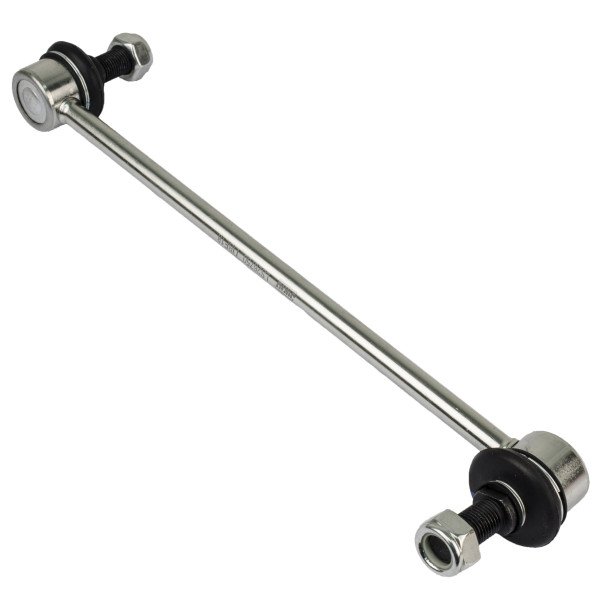
The stabilizer linkage is a crucial component in a vehicle’s suspension system. It plays a vital role in maintaining stability and control while driving. Whether you’re navigating sharp turns or bumpy roads, the stabilizer linkage ensures a smooth and safe ride. A faulty stabilizer linkage can lead to handling issues and a bumpy ride. Regular inspection and maintenance of the stabilizer linkage are essential for optimal performance and safety on the road. Next time you hit the road, remember the unsung hero – the stabilizer linkage – silently working to keep you on track.

Exploring the Magic of Stabilizer Linkage
Welcome, young engineers and curious minds, to a fascinating journey into the world of stabilizer linkage! Have you ever wondered how vehicles stay steady and balanced on the road? Well, the secret lies in the ingenious mechanism known as stabilizer linkage. In this blog, we will delve deep into the workings of stabilizer linkage, uncovering its mysteries and unraveling its importance in keeping our rides smooth and safe. So, buckle up and let’s dive into the magic of stabilizer linkage!
The Basics of Stabilizer Linkage
Imagine you are riding a bike down a bumpy road. As you hit bumps and potholes, the bike tends to sway from side to side, making it challenging to stay balanced. Now, picture the same scenario but with a magical device called stabilizer linkage. This device works behind the scenes to counteract the swaying motion, keeping the bike steady and you in control.
Stabilizer linkage is like a superhero sidekick for vehicles, helping them maintain stability and control, especially when navigating tricky terrains or sharp turns. It consists of various components, including sway bars, links, and bushings, all working together seamlessly to minimize body roll and ensure a smooth ride for the driver and passengers.
How Does Stabilizer Linkage Work?
At the heart of stabilizer linkage are sway bars, also known as anti-roll bars. These bars are connected to the vehicle’s suspension system and play a crucial role in reducing body roll during cornering. When you take a turn, the weight of the vehicle shifts to one side, causing it to tilt. This tilt can lead to instability and loss of traction.
Here’s where the magic of stabilizer linkage comes into play. The sway bars are designed to resist this tilting motion by transferring the force from one side of the vehicle to the other. This transfer of force helps keep the vehicle level and prevents excessive body roll, allowing for a smoother and safer driving experience.
The Importance of Stabilizer Linkage in Vehicles
Now that we have a basic understanding of how stabilizer linkage works, let’s explore why it is such a crucial component in vehicles. Whether you’re driving a car, a truck, or even a bicycle, stabilizer linkage plays a significant role in enhancing the vehicle’s handling and performance.
One of the key benefits of stabilizer linkage is improved stability. By minimizing body roll and controlling lateral movement, stabilizer linkage helps vehicles stay planted on the road, even when faced with challenging driving conditions. This stability not only enhances the driver’s confidence but also ensures a smoother and more comfortable ride for everyone on board.
Moreover, stabilizer linkage contributes to better cornering performance. When you take a sharp turn, stabilizer linkage kicks into action, reducing the vehicle’s tendency to lean excessively. This results in tighter and more controlled cornering, allowing you to navigate curves with precision and agility.
Types of Stabilizer Linkage
Stabilizer linkage comes in various shapes and sizes, each designed to suit different types of vehicles and driving conditions. Let’s take a look at some common types of stabilizer linkage systems:
1. Solid Sway Bars
Solid sway bars are the traditional type of stabilizer linkage, featuring a solid metal bar that connects the left and right sides of the vehicle’s suspension. These bars are known for their durability and reliability, making them a popular choice for many vehicles.
2. Tubular Sway Bars
Tubular sway bars are a lightweight alternative to solid sway bars, offering similar performance benefits with reduced weight. These bars are often used in high-performance vehicles where weight savings are crucial for optimal handling.
3. Adjustable Sway Bars
Adjustable sway bars allow drivers to fine-tune their vehicle’s handling characteristics by adjusting the stiffness of the bars. This versatility makes adjustable sway bars ideal for enthusiasts and professional racers looking to optimize their vehicle’s performance on the track.
Congratulations, young explorers, you have now unlocked the secrets of stabilizer linkage! From understanding how stabilizer linkage works to exploring its importance in vehicles, you have taken a thrilling ride into the world of vehicle stability and control. Remember, the next time you hop on a car, bike, or any other vehicle, take a moment to appreciate the magic of stabilizer linkage working tirelessly behind the scenes to keep you safe and steady on the road. Until next time, happy exploring!
BAD SWAY BAR LINK SOUND! | Simple-Fast-Professional-DIAGNOSIS
Frequently Asked Questions
What role does a stabilizer linkage play in a vehicle’s suspension system?
A stabilizer linkage, also known as a sway bar link, helps to control the side-to-side movement of a vehicle’s suspension. It connects the sway bar to the suspension components and helps in reducing body roll when the vehicle turns or encounters uneven road surfaces.
How can I tell if my stabilizer linkage is failing?
Signs of a failing stabilizer linkage include clunking or knocking noises when driving over bumps, excessive body roll during turns, uneven tire wear, and a vibrating steering wheel. It’s important to have the stabilizer linkage inspected and replaced if necessary to ensure safe driving conditions.
Can I drive my vehicle with a broken stabilizer linkage?
It is not recommended to drive a vehicle with a broken stabilizer linkage as it can affect the handling and stability of the vehicle, especially during cornering. Continuing to drive with a broken stabilizer linkage can also put additional stress on other suspension components and lead to further damage.
Final Thoughts
In conclusion, the stabilizer linkage plays a crucial role in maintaining stability and ensuring smooth handling of the vehicle. Proper care and maintenance of this component are essential to avoid issues like vibration and uneven tire wear. Regular inspection and timely replacement of worn-out parts can significantly improve the overall performance and safety of the vehicle. Remember, a well-maintained stabilizer linkage is key to a comfortable and secure driving experience.