
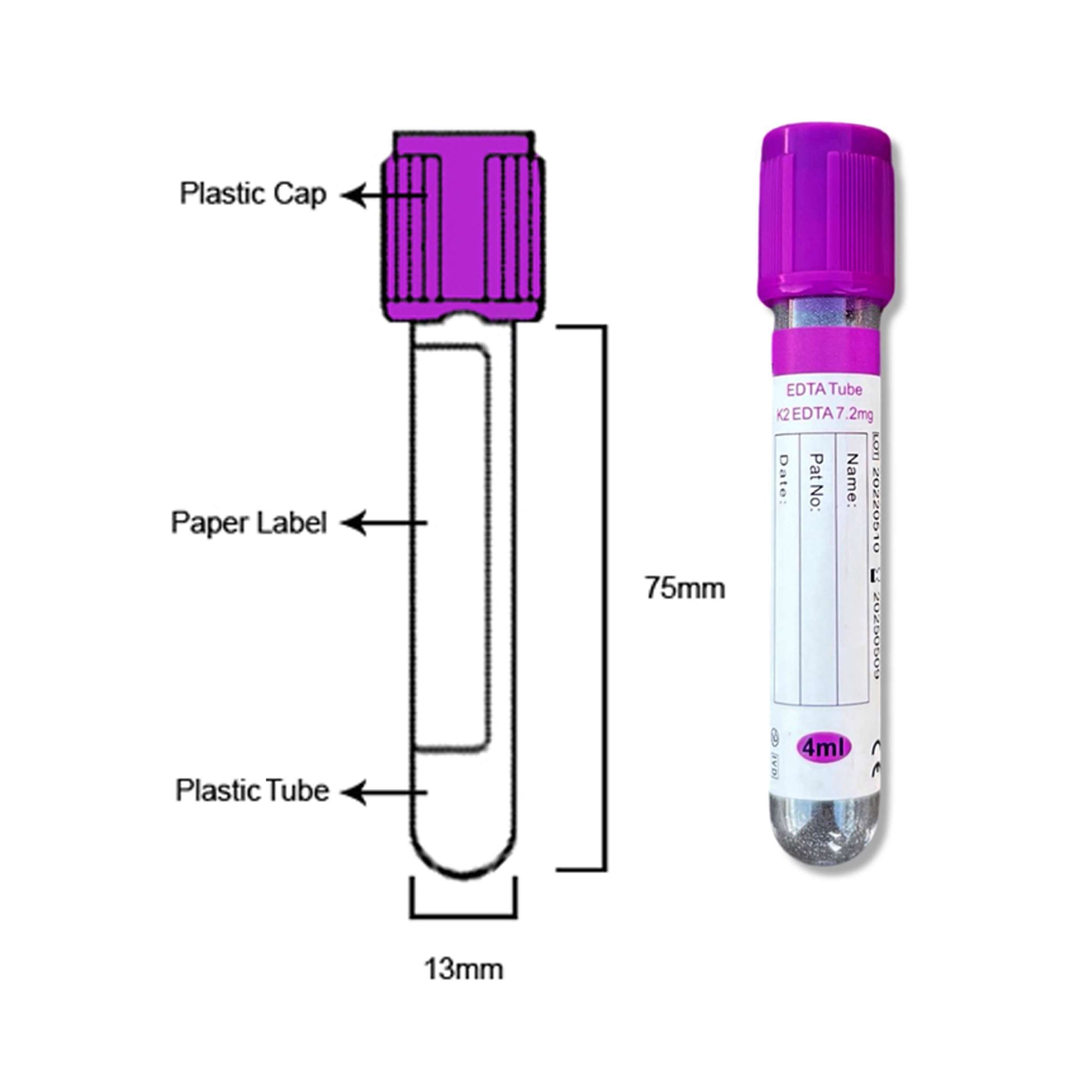
Looking for the ideal storage solution for your blood samples? The EDTA container is your answer. With its unique properties to preserve blood samples for accurate testing, the EDTA container has become a crucial tool in the medical field. Its ability to prevent blood from clotting ensures the integrity of the sample for various laboratory analyses. Let’s delve deeper into the benefits and importance of the EDTA container in maintaining sample quality and reliability.

The Marvels of the EDTA Container: A Comprehensive Guide
Have you ever wondered about the small yet mighty EDTA container that plays a crucial role in various scientific and medical processes? In this blog post, we’re going to dive deep into the world of EDTA containers, exploring what they are, how they work, and why they are so important. So, grab a seat and get ready to embark on an exciting journey into the fascinating realm of science and technology!
What is an EDTA Container?
Let’s start with the basics. An EDTA container is a specialized vessel that is used to collect and store blood samples for various laboratory tests. EDTA stands for Ethylenediaminetetraacetic acid, which is a chelating agent commonly used in laboratories to prevent blood from clotting. The container typically contains a vacuum seal and an additive solution that helps preserve the integrity of the blood sample.
The Science Behind the EDTA Container
Now, you might be wondering how exactly the EDTA container works its magic. Well, when blood is drawn into the container, the EDTA acts as a chelating agent, binding to calcium ions present in the blood. Calcium is essential for the blood to clot, so by removing it, the EDTA prevents coagulation, keeping the blood in a liquid state suitable for testing.
Why are EDTA Containers Important?
EDTA containers play a crucial role in ensuring the accuracy of laboratory test results. By preventing blood from clotting, they help maintain the integrity of the sample, allowing for more reliable analyses. This is especially important in tests that require the measurement of various blood components, such as complete blood counts, blood chemistry profiles, and genetic testing.
The Versatility of EDTA Containers
One of the remarkable things about EDTA containers is their versatility. They can be used for a wide range of tests, making them a go-to choice for many healthcare providers and researchers. From routine blood work to specialized genetic testing, the EDTA container is a reliable tool that continues to revolutionize the field of laboratory medicine.
Choosing the Right EDTA Container
Not all EDTA containers are created equal, and selecting the right one is crucial for obtaining accurate test results. When choosing an EDTA container, factors such as the type of test being performed, the volume of blood needed, and the storage conditions must be taken into consideration. It’s essential to work closely with your healthcare provider or laboratory technician to ensure you are using the appropriate EDTA container for your specific needs.
Types of EDTA Containers
There are several types of EDTA containers available, each designed for specific purposes. The most common types include vacutainer tubes, microtainer tubes, and pediatric tubes. Vacutainer tubes are ideal for collecting larger volumes of blood, while microtainer tubes are perfect for smaller samples. Pediatric tubes are specifically designed for collecting blood from infants and young children, making them an essential tool in pediatric healthcare.
Proper Handling and Storage of EDTA Containers
To ensure the accuracy of test results, proper handling and storage of EDTA containers are essential. After collecting the blood sample, the EDTA container should be gently inverted several times to ensure thorough mixing of the blood with the additive solution. The container should then be properly labeled with the patient’s information and stored at the appropriate temperature to prevent sample degradation.
Transporting EDTA Containers
When transporting EDTA containers to the laboratory for analysis, it’s crucial to take precautions to prevent sample contamination or damage. The containers should be securely sealed and placed in a leak-proof secondary container to avoid spills. Additionally, they should be stored at the correct temperature during transit to maintain the stability of the blood sample.
Future Trends in EDTA Container Technology
As technology continues to advance, so does the innovation in EDTA container technology. Researchers are constantly exploring new methods to improve the performance and efficiency of EDTA containers, leading to more accurate and reliable test results. From enhanced additive solutions to novel container designs, the future of EDTA containers looks promising, with exciting developments on the horizon.
The Impact of EDTA Containers on Healthcare
The impact of EDTA containers on healthcare cannot be overstated. By enabling healthcare providers to obtain accurate and timely test results, EDTA containers play a vital role in diagnosing and monitoring various medical conditions. From detecting infectious diseases to monitoring chronic illnesses, EDTA containers are indispensable tools that continue to drive advancements in patient care.
In conclusion, the EDTA container may be small in size, but its significance in the world of science and healthcare is immense. By understanding how EDTA containers work, why they are important, and how to use them correctly, we can appreciate the critical role they play in ensuring the accuracy and reliability of laboratory test results. So, the next time you see an EDTA container, remember the incredible impact it has on shaping the future of healthcare and scientific discovery.
Blood bottles guide | UKMLA | CPSA | PLAB 2
Frequently Asked Questions
What is an EDTA container?
An EDTA container is a specialized vial or tube used to collect and store blood samples for testing purposes. It contains the anticoagulant ethylenediaminetetraacetic acid (EDTA) to prevent the blood from clotting, allowing for accurate analysis of various blood components.
How does an EDTA container work?
The EDTA in the container binds to calcium ions in the blood, which are necessary for the clotting process. By chelating these ions, EDTA prevents the blood from clotting, preserving the sample’s integrity and ensuring that it remains in a liquid state until it can be tested in the laboratory.
Why is an EDTA container preferred for certain blood tests?
EDTA containers are preferred for tests that require whole blood samples because they keep the blood in a liquid state by preventing clot formation. This is crucial for accurate analysis of parameters like complete blood count (CBC), hemoglobin levels, and blood cell morphology.
How should EDTA containers be handled to maintain sample quality?
To maintain sample quality in an EDTA container, it should be stored at the recommended temperature and gently inverted several times to ensure proper mixing of the anticoagulant with the blood. Additionally, it is essential to label the container correctly with patient information to avoid any mix-ups during processing.
Can an EDTA container be reused for collecting multiple blood samples?
EDTA containers are typically designed for single-use to prevent contamination and ensure sample integrity. Reusing an EDTA container for multiple blood samples may compromise the accuracy of test results due to the potential for cross-contamination or inadequate mixing of the anticoagulant. It is recommended to use a new EDTA container for each blood sample collection.
Final Thoughts
In summary, the use of an EDTA container is crucial for preserving samples for accurate testing. Proper handling and storage of samples in an EDTA container are essential to maintain sample integrity. Always ensure to follow guidelines for using an EDTA container to avoid contamination. Remember, the reliability of test results depends on the quality of the sample collected in an EDTA container.